University of North Carolina Athletics
Car-O-Lines: November - A Pain, But Wonderful
November 1, 2000 | General
Oct. 30, 2000
By Rick Brewer, SID Emeritus

Read More Car-O-Lines from Rick Brewer
November.
The month of Election Day.
The month with a day officially designated to give thanks (perhaps that the election rhetoric is finished).
However, in the Carolina Athletic Department, November is viewed with great trepidation.
It is one of the two busiest months of the year. March is second, but most people feel that's a distant second to November.
This is the month when seasons begin to overlap. Fall athletic teams are generally wrapping up their schedules, while at the same time the winter teams are beginning play.
That means there is a possibility that at some time during the month 21 different teams could be competing. Not all 21 have events scheduled, but it is always a possibility.
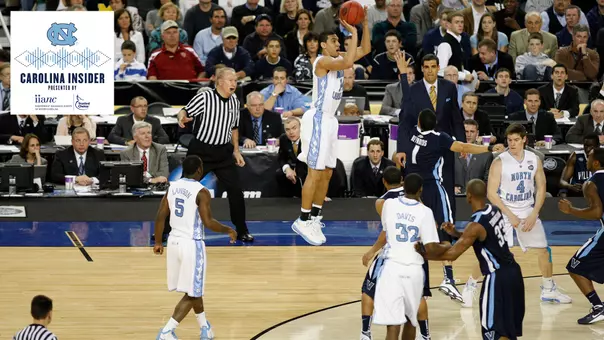
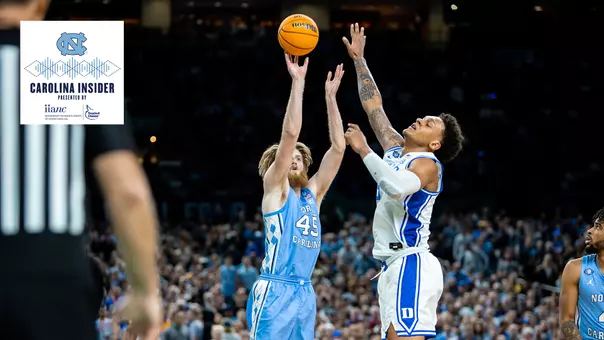
The major problem is that the two revenue-producing teams--football and men's basketball--are playing during the same time period, often on the same day. Plus, the other teams have events scheduled, as well.
The effect of all this is felt everywhere in the department. The phone never stops ringing in the ticket office. The business office is attempting to handle expense forms and questions from more coaches and administrators than at any other time, trying to work on reports for the Internal Revenue Service and still go about its monthly routine of getting out paychecks and paying bills.
Members of the academic support staff are always busy, but with final exams approaching in a few weeks, they begin to get stretched even more than usual.
With more teams competing, the strength program staff also has a tougher time. Student-athletes are always using the development facilities, but access becomes more important when seasons are in progress. Juggling the strength room schedule so all the competing teams can use the equipment takes patience, time and a good rapport between the strength staff and coaches.
Unfortunately, with more athletes practicing and playing at the same time, the medical staff also stays busier. Injuries, major and minor, are a part of athletics. When teams compete at the level at which Carolina does, people are going to get hurt. Thus, the schedules of trainers and doctors stay filled.
Physical plant employees who work in athletics also find their schedules stretched. Workers in Carmichael Auditorium may have to get the floor ready for women's basketball practice on a Friday afternoon, switch it over for a volleyball match that evening, get ready for another basketball practice Saturday morning and then have the mat down for wrestling Saturday night.
Smith center workers could have to prepare for a basketball practice Thursday, clear the court for a concert the following evening, change the seating for a basketball game on Saturday and then be ready for a swim meet at Koury Natatorium on Sunday.
Still, the two offices that may face the biggest challenges in November are those of the operations staff and sports information.
It's the operations staff that oversees the running of the different arenas and fields where the competition takes place. They're in charge of security, making sure the competition site is ready for the event, dealing with concessions, getting fans to their seats and trying to find any extra parking area possible, among a myriad of other responsibilities.
The sports information office tries to get local media outlets to run stories or notes on upcoming home events, gets press credentials to those media who will be in attendance, runs the press box at every home game, helps writers and broadcasters during and after each contest and also sends stories on the outcome to media across the country.
In addition, these are the two staffs that deal with the networks when games are televised here as almost every football and men's basketball game seems to be.
But, there's more.
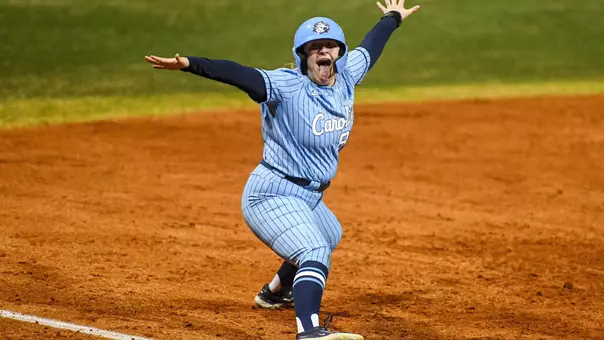
Because of Carolina's excellent facilities and success in the fall sports, the University usually ends up hosting NCAA post-season play in field hockey and soccer. There may well be Atlantic Coast Conference championships on campus, as well.
It's not unusual on one November weekend for Carolina to have a home football game, play home games in men's and women's basketball and host NCAA post-season competition in field hockey, women's soccer and men's soccer. And, there might even be an eight-team swimming meet here at the same time. To make it interesting, the football, men's basketball and at least one Olympic sport game would probably be televised.
Such a weekend would also be a nightmare for the ticket office and everyone else. And, there have been such weekends in the past. Even if the football and basketball teams are playing out of town, staff members have to travel with them. The same is true for the Olympic sport teams during the post-season. It's possible to start running out of people to handle what needs to be done on campus.
But, this could be an institution that didn't have great facilities, wasn't successful in the Olympic sports or was rarely on television.
So while athletic department employees know November is going to be brutal, requires great planning and desperately needs creative thinking, there is a reason to be thankful for all this.
We could be at a school where the Olympic sport teams and facilities weren't very good and there was little interest in football or basketball.
Most people here know what to expect during the coming weeks. It's a matter of trying to make whatever happens a positive experience for the student-athletes, finding outlets for stress and anxiously looking forward to December. The stress that supposedly goes with that month can't touch November in Chapel Hill.