University of North Carolina Athletics
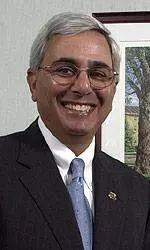
Tar Heel Monthly: Baddour on a Typical Day as A.D.
June 23, 2003 | General
Nov 5, 2002
The decisions and policy of athletic directors are frequent topics of conversation for fans. But what is it, exactly, that an athletic director does? Dick Baddour, who is in his 36th consecutive year of service to the University and marked his fifth anniversary as athletic director in June, sat down with Tar Heel Monthly to discuss the biggest challenges facing him, his favorite part of the job, and much more.
Tar Heel Monthly: How have you seen the job of an athletic director change over the past five or ten years?
Dick Baddour: We talk about these changes at our athletic director meetings. I entered the athletic department in 1986, and the job changed dramatically in that next 10-year period. John Swofford started talking about the changes maybe seven years after I had been in athletics. I recognized those changes as he described his job. It's also changed in the five years since I've been AD.
I would classify most of the changes as external. There was a time when the focus of the athletic director was devoted almost entirely towards the internal operations of the department. Most of the time and energy was spent running the department. There wasn't as much focus on the media or fundraising or reaching out to supporters; not much toward marketing either. There weren't as many issues involving other groups, for example the Board of Trustees, faculty committees, or coordination with other University offices. The internet and the age of instant communication have changed the focus. People's access to information makes us more public relations minded and places an emphasis on communication internally, within the University, and externally.
THM: What's the first thing you do in the morning?
DB: To answer that question, I would have to go back to the day before. Essentially, I spend my day in meetings, working with committees or individuals, and responding to telephone calls. I don't have the time during the day to write letters, plan, or review documents. I'm usually at the office between 7:15 and 8:00 a.m. and typically home around 7 p.m. After dinner I go through the mail, respond to correspondence, draft reports, do some planning, write speeches, and things like that. In the morning, I sort out what I did the night before and get it in the hands of people who can help me implement it. I like to come in early, because I find it helpful to have an hour or hour and half to get it organized.
THM: Is there such a thing as a typical day for you?
DB: I don't think so. I'm not in a situation where something always happens on designated days. I can't really describe a typical day as each is different. For example, yesterday we had a staff meeting, and then I had a meeting on the water shortage and what we can do about that. Then I went to speak at the Raleigh Sports Club. We also had a couple of issues that needed my immediate attention. Those were unexpected, but you can expect the unexpected. There will be something every day that I need to deal with that isn't on the calendar. I try to build in time for those things. I feel strongly that my staff and coaches need to be able to get me when they need to do so. There are some things that can't wait, and I need to be able to respond.
THM: Many of those staff members look to you for guidance and leadership. Who do you lean on for advice?
DB: I would put our coaches and administrative staff up against anybody. We have developed a very strong team here, and so much gets worked out before it ever gets to me. That's one of the fun parts of the job, to hire good people and see them work well together.
I lean on my staff and people within the organization who are experts in their fields. They know what they are doing. If I have a communications or public relations issue, I ask [Associate Athletic Director for Communications] Steve Kirschner what he thinks. If we have to sort out a ticketing issue, I will ask [Assistant AD for Ticket Operations] Clint Gwaltney what he thinks. It goes on down the line. On the other hand, there are times when you need input from others outside the organization.
Chancellor Moeser and I have a wonderful relationship. He has a great feel for how athletics fits into the mission of the University. He is a great sounding board for me, and I visit or speak with him frequently. Jack Evans, our faculty representative, is a fabulous person to work with. He has been the dean of the Business School and vice-chancellor of the University and he knows the institution. Of course, John Swofford is always available and willing to help. There are some advisory groups, both faculty and alumni that I use frequently. When I first became athletic director, I appointed several task forces to advise the department. There are some athletic directors in the business whose judgment I trust, also some retired athletic directors who I call. And then there are some alumni who are very helpful in helping me sort out issues. It's not uncommon for me to draw on their expertise and insights.
THM: How are you and the athletic department involved in University and other activities?
DB: Many different ways. The chancellor asked me to serve on his cabinet, and it's very important that we have strong relationships within the University and that athletics has a chance to comment on issues that are not athletics-related. I have enjoyed the committee assignments that I've had within the ACC and the NCAA. I serve on a committee that approves preseason games and bowl games. That's been a fabulous opportunity for me to work with ADs across the country. I encourage my staff to get involved in those types of opportunities, especially as it relates to UNC and the Chapel Hill community. As an athletic department, we need to be involved in many areas. It's important that we do not operate by ourselves. We want to coordinate our plans with this great University and the Chapel Hill community.
THM: What's the best thing about your job?
DB: The fun part of the job is the creation and implementation of ideas and opportunities for a sports program, knowing what a coach is going through, getting the resources necessary, and watching student-athletes be successful. It is special when a student-athlete approaches me to say, "This has been a great experience for me at the University of North Carolina, and I'm so glad I was here." That's where the pleasure comes. It also comes in winning, but when you're in athletics, you're going to have some highs and some lows. You have to be careful about getting too high and too low.
THM: What is the biggest challenge facing you?
DB: We talk about the mission of what we do: the academic focus, the integrity of the program, competitiveness, and the student-athlete experience. You're always trying to be successful in those things. There are two issues facing us right now that worry me the most. One is the budget. We have talked about this before, so I'm not going to rehash it, but we have challenges ahead. The second thing is compliance. You can never let down your guard on compliance. It always must be in the forefront, along with academics. Day in and day out, you have to remember your goals and focus on these issues. It's one thing to talk philosophically and it's another to deal with it in the real world and to make good decisions when you have competing interests.
THM: What made you decide to get into athletics?
D: I was working at the Law School as an assistant dean when John Swofford gave me this opportunity. At that time, I was not considering a career in athletics. I was very happy at the Law School and would honestly say that I had some interest in going back to undergraduate admissions with my sights on one day being the director. When John called me, I told my wife, Lynda, that it wasn't athletics that intrigued me, it was athletics at the University of North Carolina. If I had an opportunity to go into athletics elsewhere, I wouldn't have done it. But I thought it would be fun to be associated with this University and this program.
THM: We talked about the changes over the past five or ten years. What changes do you see five or ten years into the future?
DB: Resource management is never going to change, whether it's our budget, our management of facilities, or anything else. In five years, I hope we wouldn't have as much focus on the budget; I hope that we have met that challenge. I hope we will be in a position to maintain the programs at the very top and have more hands-on involvement with improving programs. I hope we spend more time managing resources and less time worrying about how we are going to make ends meet. I hope we spend less time worrying about keeping good people here because we can't afford to pay them.
THM: If you could only keep one book that has been important to you on your nightstand, what would it be?
DB: There's a book written by Rick Bragg, called All Over But The Shoutin'. He writes about the challenges that he and his family have overcome through the years and the strength and confidence they drew from each other. It won the Pulitzer Prize, and I recommend it to a lot of people. I would also mention that I have had the opportunity to watch some strong leaders at this University and to read about great leaders. Whether it's one book or one individual, I try to be aware of the characteristics in them that made them successful.