University of North Carolina Athletics
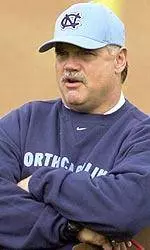
Lucas: Q&A With Head Football Coach John Bunting
March 19, 2003 | Football
March 19, 2003
Tar Heel Monthly is the premier magazine devoted to the stories and personalities behind UNC athletics. Click here for subscription information.
The following is Part 1 of a two-part interview that appeared in the April issue.
By Adam Lucas
When Adam Lucas sat down with Carolina head football coach John Bunting, the coach was just 24 hours removed from completing his most highly-rated recruiting class. The coach shared his thoughts on that class, the upcoming spring practice battles, and the 2003 season.
THM: How did you celebrate Signing Day?
John Bunting: We celebrated by starting recruiting for 2004. I called some coaches about some players, and we had some juniors in this past weekend for our last recruiting weekend, so I followed up on some of that stuff. That took up a good part of the afternoon.
THM: What changes did you make in your recruiting approach after last year?
JB: The number one emphasis was to sell what Carolina has to offer harder. We got many more people involved in our recruiting process. If anybody is computer literate, all they have to do is look up the facts about this University. Once we get them on campus, it's a delight to show them around Chapel Hill. We got them on Franklin Street this year during the afternoon to have lunch, and I personally toured them, along with Rick Steinbacher and the rest of the staff, down Franklin Street and up to the Old Well and Polk Place. We had a great deal of enthusiasm from our current players. They got very involved in the recruiting process, much more than in my first year and a half.
We got many more professors and faculty involved. Chuck Stone helped us, Dean [Gene] Nichol, and Jack Evans helped us. We have a great relationship with other department heads and people who were willing to be a part of the process. Our academic support staff was put out front. They were the featured presentation on Saturday mornings. Corey Holliday was much more involved with player relations. That's an important part of the future of retention with our program. Some colleges may have it, some may not. It's something I brought into our program from the NFL. We want to have someone who the players can call upon for problems from A to Z, from housing to meal money to job opportunities. Corey has a great deal of passion for the University of North Carolina. He has two degrees from here. He has been a real positive part of our program.
We also had two new recruiters on the staff, with Hal Hunter and Jim Fleming. They did a tremendous job and James Webster did a tremendous job getting a couple players out of Tennessee, along with probably the number one recruit in the state of North Carolina, Isaiah Thomas. As a staff, we did a much better job communicating about the student-athletes we were evaluating. We did a better job cross-recruiting between coaches.
THM: From what you're talking about emphasizing, is it fair to say that you might not have been looking for the typical kid who would be on top of some school's lists?
JB: We know that we are different from other schools. We have an admissions process here that may be more significant than at other schools. We are not looking for a fast fix. We are making long term progress with our football program. We had a lot of holes to fill, and we have gone about that by getting players with high character and great talent. We also focus on education with recruits because it helps with retention. Part of the problem when I came in was that there were players who weren't serious about school and some guys with some character problems. Those guys are now gone.
THM: You've said before that you would like to redshirt all your freshmen. How far is that from being a reality?
JB: We're at least two years away from doing that. This class we just brought in is talented enough to play, and they're going to play. We're going to have a significant amount of seniors, which should help this football team. In the class after that, there are not very many. That's the problem we have to deal with right now. Once that class graduates we should have the ability to have some more redshirts.
THM: What was the biggest obstacle you faced on the recruiting trail?
JB: There was a significant amount of negative recruiting out there because of our record. Staffs from other universities were very negative about our future here. But we have a contract that runs through 2008 and I have a lot of people here who are very enthusiastic about what we are doing. There has never been any blinking of the eye by anyone in this program or in the administration about what we are doing or how we are doing it or how long it's going to take. We actually used the negative recruiting against some staffs. When a staff member at another institution says we're doing this or doing that and we prove to the recruit that it's a lie, what does that recruit think he'll be lied to about next? They really only hurt themselves when they do that.
THM:You signed a junior college player (Lionell Green). What would you say to people who are concerned about UNC dipping into the juco ranks?
JB: I would've liked to have signed one or two more junior college players. Lionell Green is an extremely talented player, but he's also a great kid. When we recruit a junior college player we're going to look to his character and his ability to do well in school as the primary criteria for continuing to evaluate him. If he has great football ability and is not taking the right courses or has a character problem of any sort, we'll stop the recruitment right there. It's over. So we're looking for a very select group of junior college guys, and we'd like to get one or two next year.
Adam Lucas is the publisher of Tar Heel Monthly and can be reached at alucas@tarheelmonthly.com. To subscribe to Tar Heel Monthly, click here.