


University of North Carolina Athletics
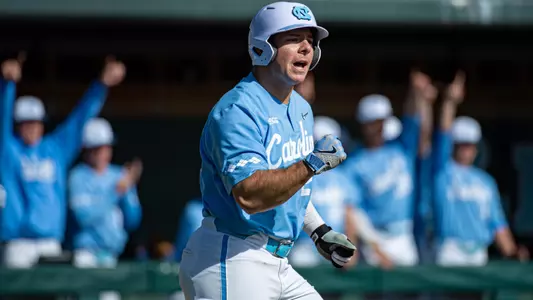
Photo by: ANTHONY SORBELLINI
Q&A With Baseball's Alberto Osuna
October 12, 2023 | Baseball
CHAPEL HILL, N.C. – As a part of UNC Athletics celebration of Latinx Heritage Month, GoHeels.com sat down with UNC baseball infielder Alberto Osuna to get to know more about his heritage and culture.
You are from South Carolina. Where are your parents from?
My mom's from Mazatlán, and my dad's from Guadalajara. My brother and sister are also from Guadalajara.
What do you most like about the Hispanic culture?
It's just a fun culture. Everything's flamboyant with the food, the dancing, the celebration; it's exciting.
Are any traditions or things that you and your family celebrate?
There's the Dia de Reyes (Three Kings Day) on Jan. 6th, another Christmas for us, and we've always kept that tradition. We always have a big piece of bread and cut it the night before, and we do that with all the restaurant workers. It brings the community together. Birthday parties are different because you eat more Mexican food than American food.
Do you have a favorite dish?
I'd say tacos from a taco truck. Those are the best tacos ever. I went to Mexico when I was in third grade. I remember I could eat tacos from a taco truck every single day of the week. They were phenomenal.
Your parents own a Mexican restaurant. How do they incorporate culture into their business?
It starts with the colors on the outside; it's orange with maroon, and you can tell it's a different building. Once you walk inside, there are a lot of streamers. It feels like you're walking into someone's home who is throwing a party. It's a family-based restaurant, and families come every day of the week. It's become a ritual in people's families; certain people come on Thursdays and on Fridays. My parents are most proud of how they've incorporated it into the community.
Is there a specific Hispanic figure that you've idolized or inspired you?
Two of my favorite players are Albert Pujols and Miguel Cabrera. They're not Mexican, but they're both Hispanics. Cabrera is from Venezuela, and Pujols is from the Dominican Republic. They have been my idols since I started playing baseball. I saw [Cabrera] in Miami this year; it was his last game at Marlins Park. It was Venezuelan night, and he got a huge ovation. The game was awesome. I got to see him get a hit in his last at-bat. It was cool because I've been cheering him on for as long as I can remember.
What is it about baseball that finds itself entwined in Latin culture?
Where my mom grew up, it was just baseball. There's a soccer team there, and people watch soccer, but it's far from how baseball games are watched. Baseball down there is a party. In Mexico, the Dominican Republic, and all Latin cultures, it's a party. It's like you're going to a festival. It's such a different experience than here. I don't know the answer to the question; I know in the Hispanic culture, baseball is a big part of it.
What do you wish people knew more about Hispanic and Latin culture?
How fun it is and how enjoyable it is. The Hispanic culture is happy and inviting. The language barrier can be tough sometimes, but people love talking. They love talking to people about their culture in that manner. Everyone always seems so happy to me.
How did your parents, being in the United States, maintain or share with you your heritage?
It's been tough for my mom to learn English, so I've spoken Spanish my entire life. My brother, sister, and I were all very receptive to it. Some people decided to cut it out once they came to America, but we didn't. I was fortunate to be around the restaurant; we'd go to Hispanic festivals and concerts to be around more Hispanic people. The community where I grew up was strong and helped me embrace the culture, which I have done and will always do.
Why is Hispanic Heritage Month important to you?
It gives us a chance to share our culture with other people and give them the opportunity to experience and enjoy it.
You are from South Carolina. Where are your parents from?
My mom's from Mazatlán, and my dad's from Guadalajara. My brother and sister are also from Guadalajara.
What do you most like about the Hispanic culture?
It's just a fun culture. Everything's flamboyant with the food, the dancing, the celebration; it's exciting.
Are any traditions or things that you and your family celebrate?
There's the Dia de Reyes (Three Kings Day) on Jan. 6th, another Christmas for us, and we've always kept that tradition. We always have a big piece of bread and cut it the night before, and we do that with all the restaurant workers. It brings the community together. Birthday parties are different because you eat more Mexican food than American food.
Do you have a favorite dish?
I'd say tacos from a taco truck. Those are the best tacos ever. I went to Mexico when I was in third grade. I remember I could eat tacos from a taco truck every single day of the week. They were phenomenal.
Your parents own a Mexican restaurant. How do they incorporate culture into their business?
It starts with the colors on the outside; it's orange with maroon, and you can tell it's a different building. Once you walk inside, there are a lot of streamers. It feels like you're walking into someone's home who is throwing a party. It's a family-based restaurant, and families come every day of the week. It's become a ritual in people's families; certain people come on Thursdays and on Fridays. My parents are most proud of how they've incorporated it into the community.
Is there a specific Hispanic figure that you've idolized or inspired you?
Two of my favorite players are Albert Pujols and Miguel Cabrera. They're not Mexican, but they're both Hispanics. Cabrera is from Venezuela, and Pujols is from the Dominican Republic. They have been my idols since I started playing baseball. I saw [Cabrera] in Miami this year; it was his last game at Marlins Park. It was Venezuelan night, and he got a huge ovation. The game was awesome. I got to see him get a hit in his last at-bat. It was cool because I've been cheering him on for as long as I can remember.
What is it about baseball that finds itself entwined in Latin culture?
Where my mom grew up, it was just baseball. There's a soccer team there, and people watch soccer, but it's far from how baseball games are watched. Baseball down there is a party. In Mexico, the Dominican Republic, and all Latin cultures, it's a party. It's like you're going to a festival. It's such a different experience than here. I don't know the answer to the question; I know in the Hispanic culture, baseball is a big part of it.
What do you wish people knew more about Hispanic and Latin culture?
How fun it is and how enjoyable it is. The Hispanic culture is happy and inviting. The language barrier can be tough sometimes, but people love talking. They love talking to people about their culture in that manner. Everyone always seems so happy to me.
How did your parents, being in the United States, maintain or share with you your heritage?
It's been tough for my mom to learn English, so I've spoken Spanish my entire life. My brother, sister, and I were all very receptive to it. Some people decided to cut it out once they came to America, but we didn't. I was fortunate to be around the restaurant; we'd go to Hispanic festivals and concerts to be around more Hispanic people. The community where I grew up was strong and helped me embrace the culture, which I have done and will always do.
Why is Hispanic Heritage Month important to you?
It gives us a chance to share our culture with other people and give them the opportunity to experience and enjoy it.

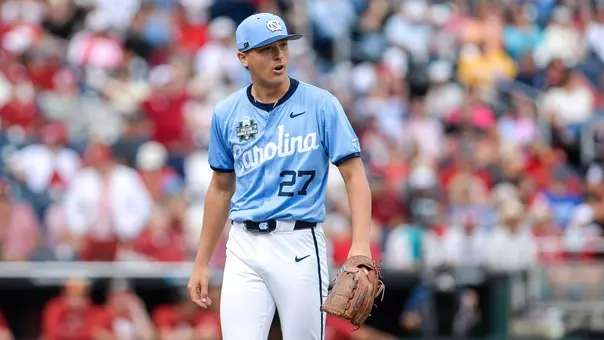

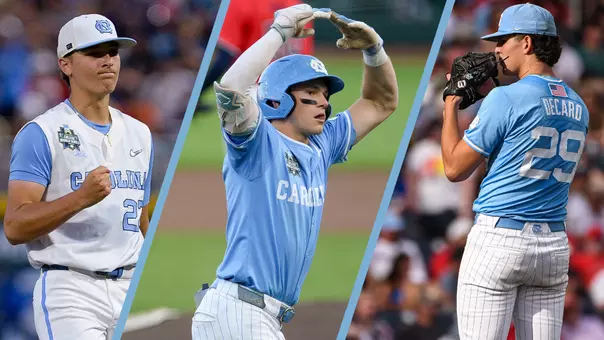
Players Mentioned
1B/DH
/ BaseballMonday, June 22
Sunday, June 21
Sunday, June 21
Sunday, June 21